
APP & SOFTWARE DEVELOPMENT PERTH

Build Technology That Makes Your Business Work Better.

Your software should solve real problems, simplify operations and make it easier for people to get things done.
GTP iCommerce designs and develops custom applications and software around the way your business operates. From customer-facing apps and web platforms to system integrations and workflow automation, we combine technical development with commercial understanding to create practical digital solutions.

TECHNOLOGY THAT SERVES THE BUSINESS

Your Business Shouldn't Have to Work Around Its Software.

Many businesses rely on a growing collection of applications, spreadsheets and manual processes to manage everyday work.

Over time, those systems can become disconnected.

Information gets entered more than once. Staff move between platforms to complete simple tasks. Customers wait for updates that could be automated. Important information becomes difficult to access.

Reduce Manual Work

Replace repetitive tasks with more efficient digital workflows where automation is appropriate.

Connect Information

Make relevant data easier to access and transfer between business systems.

Improve User Experience

Create clearer interactions for customers, staff and other people using your software.

Support Growth

Develop systems that can evolve as your operations, services and requirements change.

STRATEGY BEFORE DEVELOPMENT

The Right Software Starts With Understanding What Needs to Change.

A new application isn’t automatically the answer to every business problem.

Sometimes an existing platform needs better configuration. Sometimes two systems need to communicate. In other cases, a custom application is necessary because the business has requirements that standard software cannot adequately support.

Business Objectives

Define the operational or customer outcome the project should support.

Current Workflows

Understand how tasks are completed today and where unnecessary complexity exists.

User Requirements

Identify who will use the system and what they need to accomplish.

Existing Technology

Review the platforms, data and integrations that the new solution may need to work with.

Functional Priorities

Separate essential capabilities from features that could be developed later.

Future Requirements

Consider how the solution may need to adapt as the business grows or changes.

The objective is not to build the most complicated system. It is to build the right system for the job.

DEVELOPMENT CAPABILITIES

Custom Technology for Real Business Requirements.

Different software projects require different approaches.

We establish the scope around the problem, users, technical environment and intended outcome.

01 / Mobile App Development

Put Useful Functionality in Your Customers' Hands.

A mobile application can make it easier for customers or staff to access services, complete tasks and interact with your business.

Applications can include

02 / Web Application Development

Build Functionality Beyond a Standard Website.

A web application allows users to interact with information, complete processes and access services through a browser.

Applications can include

03 / Custom Business Software

Replace Workarounds With Systems Built for the Task.

Standard software can be effective until your business requirements extend beyond what it was designed to handle.

When teams rely on repetitive manual work, disconnected spreadsheets or complicated workarounds, custom software may provide a more practical solution.

We help translate business requirements into defined functionality, with attention to the people who will use the system every day.

The objective is software that supports operations rather than introducing another layer of unnecessary complexity.

04 / API Development & System Integration

Make Your Existing Systems Work Together.

Your business may already have the technology it needs, but the systems may not communicate effectively.

Applications can include

05 / Software Migration

Move Beyond Systems That No Longer Meet Your Needs.

An established system may contain years of useful information while becoming increasingly difficult to maintain or extend.

Modernisation can involve replacing outdated functionality, migrating data, changing platforms or improving the way an existing application operates.

We begin by understanding the current environment and the risks involved in changing it.

The appropriate approach may be a staged transition rather than replacing everything at once.

06 / Content Management Solutions

Give Your Team Better Control Over Digital Content.

Businesses often need structured ways to create, manage and publish information.

A content management system can support those workflows, whether the content appears on a website, customer platform or another digital service.

We assess the content structure, user permissions and functionality required before recommending a CMS approach.

The objective is to make information easier to maintain without compromising the wider application experience.

CHOOSE THE RIGHT APPROACH

Don't Build Custom Software When an Existing Solution Will Do the Job.

Custom development creates opportunities, but it also introduces responsibilities.

A business must consider implementation, maintenance, security, support and future changes.

Use an Existing Platform When:

A suitable product already provides the required functionality, integrates appropriately and can support your workflows without excessive workarounds.

Consider Custom Development When:

Your requirements are sufficiently specific that standard solutions create ongoing limitations or cannot support the intended customer or operational experience.

Consider Integration When:

Your existing systems are individually useful but need a more reliable way to exchange information.

Consider Modernisation When:

An existing application still serves an important purpose but its technology, usability or maintainability needs attention.

SOFTWARE PEOPLE CAN USE

Powerful Functionality Means Little if Users Can't Find It.

A technically capable application can still create frustration.

Complicated navigation, unclear instructions and unnecessary steps make everyday tasks harder than they should be.

User Journey Mapping

Understand the steps users need to complete and how they move through the application.

Interface Design

Organise screens, controls and information around relevant tasks.

Clear Navigation

Help users understand where they are and how to reach the functionality they need.

Appropriate Permissions

Consider how different user roles interact with the system.

Consistent Design

Maintain familiar interaction patterns and a coherent visual experience.

Practical Testing

Review important workflows to identify usability issues before release.

REMOVE UNNECESSARY MANUAL WORK

Let Your People Spend Less Time Moving Information Around.

Repetitive processes can consume time without contributing much value.

Copying data between systems, sending routine updates, preparing recurring reports and checking the same information repeatedly may all create opportunities for automation.

Data Entry

Reduce duplicated entry where systems can exchange information appropriately.

Notifications

Send relevant updates when defined events occur.

Task Routing

Direct work or information to the appropriate person or system.

Reporting

Make relevant operational information easier to gather and review.

Customer Communication

Support timely updates at appropriate stages of a service or transaction.

Internal Processes

Create more consistent workflows for tasks that follow established rules.

How we work

From Business Problem to Working Software.

01

Discover

Understand the Problem.

We begin by learning about your business, users, current systems and intended outcomes.

We establish what needs to change and why the project is being considered.

02

Define

Establish the Requirements.

We identify the essential functionality, user roles, integrations and technical considerations.

This provides a clearer basis for the project scope and development approach.

03

Plan

Map the Solution.

We establish the proposed architecture, workflows and delivery stages appropriate to the project.

Priorities and dependencies are considered before development begins.

04

Design

Create the User Experience.

Where relevant, we develop user journeys, screen structures and interface designs around the agreed functionality.

The objective is to make the application understandable and practical to use.

05

Develop

Build the Agreed Functionality.

We implement the software according to the approved scope and technical approach.

Progress can be reviewed against defined project stages and deliverables.

06

Test

Check the Important Workflows.

We review the software against the agreed requirements and identify issues requiring attention before release.

Testing activities depend on the project’s functionality and risk profile.

07

Deploy

Prepare the Software for Use.

We coordinate the agreed release activities, configuration and relevant transition requirements.

For existing systems, this may involve migration or staged implementation.

08

Support & Improve

Keep the Technology Relevant.

Following release, further development and support can be provided through an agreed arrangement.

APP & SOFTWARE DEVELOPMENT FAQS

Common questions.

Something else on your mind?  Ask us directly

What software does GTP iCommerce develop?

GTP provides development services for mobile applications, web applications, business software, APIs, integrations, software migrations and CMS-based solutions.

The proposed solution depends on the business problem, user requirements and technical environment.

A website primarily presents information and supports interactions such as enquiries or purchases.

An application generally provides more task-focused functionality, such as managing information, completing workflows or delivering a software-based service.

The distinction can overlap, particularly with interactive web applications.

The right option depends on how people need to use the software.

A web application may be appropriate when users primarily access the system through a browser.

A mobile application may be considered when the intended experience or required functionality makes a dedicated mobile interface useful.

We assess the requirements before recommending the approach.

Yes. Custom development can be scoped around internal processes, staff workflows, information management and other operational requirements.

Integration may be possible where the systems provide suitable APIs or other supported connection methods.

We review the platforms and requirements before establishing the technical approach.

Not necessarily.

Depending on the problem, it may be more appropriate to improve an existing system, introduce an integration or modernise selected functionality.

Some manual processes can be simplified through rules-based automation, integrations or custom functionality.

We assess whether the workflow is sufficiently defined and what level of human review remains necessary.

AI-enabled functionality can be considered where it serves a defined purpose.

Suitability depends on the use case, data requirements, available services and the level of accuracy and oversight needed.

INSIGHTS

Useful thinking for businesses growing online.

Practical ideas covering SEO, AI search, websites, advertising, automation, conversion and digital strategy.
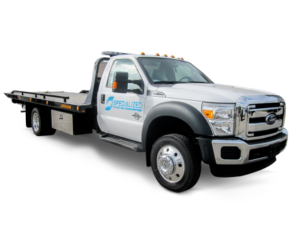
White Ford flatbed tow truck with single cab, chrome grille, SPECIALIZED logo on door and amber roof lights.

Tow Truck Services in Perth

Tow Truck Services in Perth: Spotlight on Specialized Towing Perth At GTP iCommerce, we’re dedicated to enhancing the online visibility of local businesses by showcasing their exceptional services. One client
Read More »

Turn Your Business Problem Into a Better Digital Solution.

Clear requirements. Purposeful technology. Software built around your business.

Scroll to Top

Let's Talk

You’re just one step away from taking your business to the next level. We’re excited to hear how we can assist you in achieving your goals.

First Name *(Required)
Last Name *(Required)
Check
At GTP ICommerce, we value your privacy. The information you share with us will only be used to provide you with relevant content, services, and updates. You can opt out of communications at any time. For more details, please review our Privacy Policy.

Apply Now

You’re just one step away from taking your business to the next level. We’re excited to hear how we can assist you in achieving your goals.

First Name *(Required)
Last Name *(Required)
Max. file size: 10 MB.